


PCB Potting Compounds: Essential for Modern Electronics Protection
- Jun 29, 2024
- 2 min read
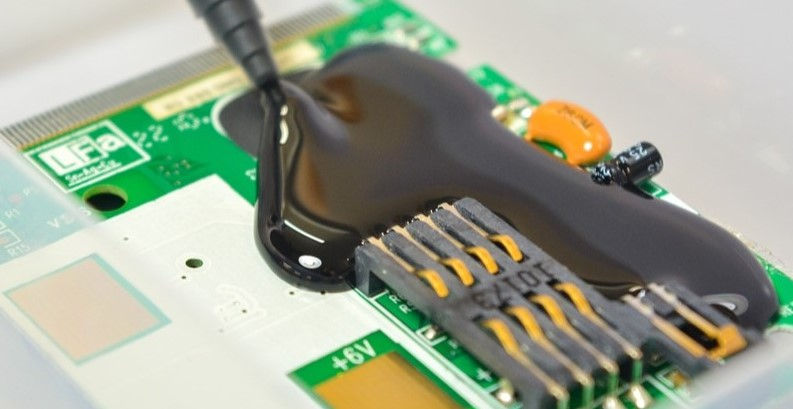
In today's electronics industry, the reliability and longevity of printed circuit boards (PCBs) are critical to the success of countless devices, from consumer electronics to industrial machinery. PCB potting compounds have emerged as an essential tool for enhancing the durability and performance of these vital components.
These compounds provide comprehensive protection against various environmental and mechanical stresses, ensuring that electronic devices function optimally in diverse conditions.
What is PCB Potting?
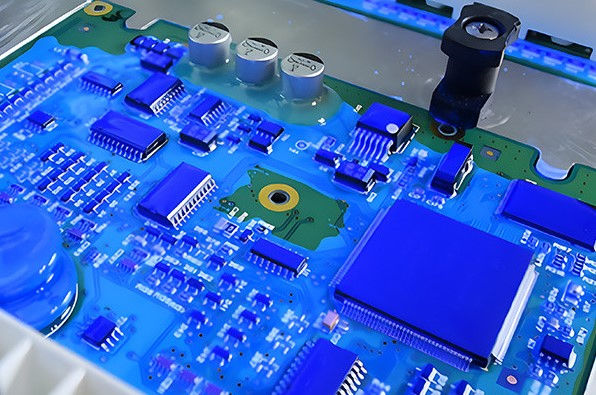
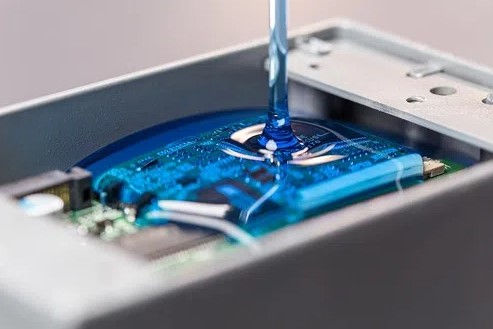
PCB potting involves encasing a PCB and its components in a resin-like material, creating a protective barrier around the entire assembly. The materials used for potting include epoxy, polyurethane, and silicone, each chosen for their specific protective properties.
This process not only safeguards the PCB from external threats but also enhances its structural integrity, making it more resilient to physical damage.
Key Benefits of PCB Potting Compounds
Protection from Moisture and Contaminants: One of the primary benefits of potting compounds is their ability to shield PCBs from moisture, dust, and other contaminants. Moisture ingress can lead to corrosion and electrical shorts, causing device failure. Potting compounds create an impermeable barrier, ensuring that the components remain dry and free from harmful substances.
Thermal Management: During operation, electronic components generate heat that must be managed to prevent overheating. Potting compounds with good thermal conductivity help dissipate this heat away from critical areas, maintaining safe operating temperatures and preventing thermal damage.
Mechanical Shock and Vibration Resistance: PCBs in many applications are exposed to mechanical shocks and vibrations that can damage sensitive components. Potting compounds absorb and distribute these mechanical stresses, providing cushioning and reducing the risk of physical damage. This is particularly important in automotive and aerospace applications where devices are subjected to constant movement and impacts.
Chemical Resistance: In industrial environments, electronics are often exposed to harsh chemicals and solvents. Potting compounds act as a protective barrier, preventing these substances from reaching and damaging the PCB. This chemical resistance is crucial for maintaining the functionality and longevity of the components.
Applications of Potting Compounds
The use of potting compounds is widespread across various industries. In the automotive sector, they protect critical electronic control units and sensors from heat, vibration, and chemical exposure.
In aerospace, potting compounds ensure the reliability of navigation and communication systems by providing resistance to extreme temperatures and mechanical stress. Consumer electronics, such as smartphones and wearable devices, also benefit from potting compounds, which enhance their durability and water resistance.
Choosing the Right Potting Compound

Selecting the appropriate potting compound involves considering the specific requirements of the application. Epoxy compounds are known for their strong adhesion and excellent chemical resistance, making them ideal for high-stress environments.
Polyurethane compounds offer flexibility and superior impact resistance, suitable for applications requiring mechanical cushioning. Silicone compounds provide high-temperature stability and excellent electrical insulation properties, making them perfect for extreme conditions.
Conclusion
PCB potting compounds are indispensable in the modern electronics industry, providing essential protection that ensures the reliability and longevity of PCBs.
As technology continues to evolve and the demand for durable electronics increases, the importance of potting compounds in protecting and enhancing PCBs will only grow.
Read more: https://www.pottingcompound.com

Comments