


PCB Potting Compounds: Fortifying Electronics for Enhanced Durability
- Jun 29, 2024
- 2 min read
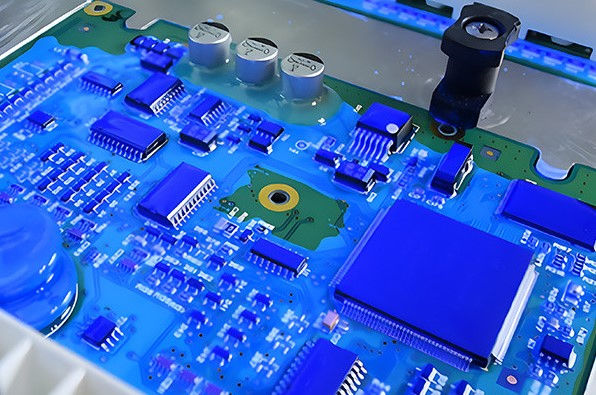
In the highly intricate world of electronics, protecting the delicate components on printed circuit boards (PCBs) is a critical task. PCB potting compounds play a pivotal role in this protection, offering a robust solution to ensure that electronic devices function reliably even in the harshest conditions.
These compounds form a protective barrier, shielding PCBs from environmental and mechanical stressors, thus enhancing their durability and performance.
What are PCB Potting Compounds?
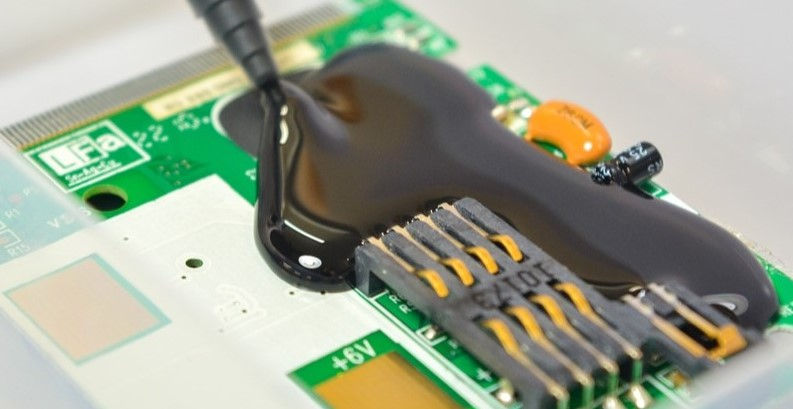
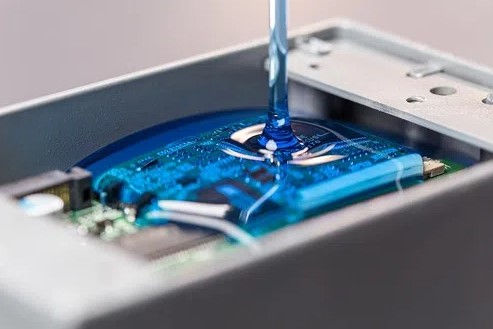
PCB potting compound are materials used to encapsulate electronic components on a circuit board, creating a protective shell around the assembly. These compounds can be solid or gel-like and are typically made from materials such as epoxy, polyurethane, and silicone.
Each type of compound offers distinct advantages, making them suitable for various applications depending on the specific needs of the PCB.
Advantages of Using Potting Compounds
Environmental Protection: Potting compounds provide excellent protection against environmental factors such as moisture, dust, and contaminants. By sealing the components, these compounds prevent corrosion and short circuits caused by exposure to these elements, thus prolonging the life of the PCB.
Thermal Management: Electronic components generate heat during operation, which can lead to overheating and potential failure. Potting compounds with good thermal conductivity help dissipate this heat, maintaining optimal operating temperatures and preventing damage due to excessive heat.
Mechanical Stability: In applications where electronics are subject to vibrations, shocks, and mechanical impacts, potting compounds offer mechanical stability. They absorb and distribute mechanical stresses, protecting the components from physical damage and ensuring reliable performance even in challenging environments.
Chemical Resistance: Many electronic devices are exposed to chemicals and solvents that can degrade their performance. Potting compounds act as a barrier against these substances, protecting the components and maintaining the integrity of the PCB in chemically aggressive environments.
Applications of PCB Potting Compounds
The use of potting compounds spans a wide range of industries. In the automotive sector, they protect engine control units and sensors from extreme temperatures and vibrations. In the aerospace industry, they ensure the reliability of critical systems exposed to harsh conditions.
Consumer electronics, such as smartphones and wearable devices, benefit from potting compounds that enhance water resistance and overall durability.
Selecting the Appropriate Potting Compound
Choosing the right potting compound involves considering the specific requirements of the application. Epoxy compounds are known for their strong adhesion and chemical resistance, making them ideal for high-stress environments.
Polyurethane compounds offer flexibility and impact resistance, suitable for applications requiring mechanical cushioning. Silicone compounds are prized for their high-temperature stability and electrical insulation properties, making them perfect for electronic applications in extreme conditions.
Read more: https://www.pottingcompound.com

Comments