


The Critical Role of PCB Potting Compounds in Electronics
- Jun 29, 2024
- 2 min read

In the fast-paced world of electronics, protecting the intricate components on printed circuit boards (PCBs) is essential for ensuring device longevity and reliability. PCB potting compounds have become a cornerstone in this protective strategy, offering robust solutions to safeguard sensitive electronic parts from various environmental and mechanical stresses.
What are PCB Potting Compounds?
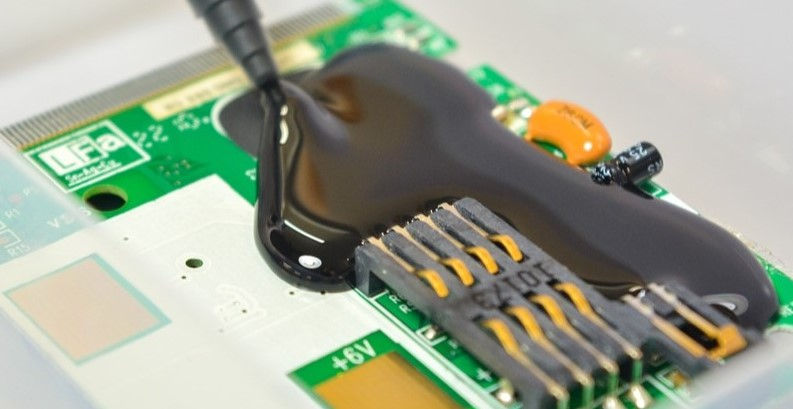
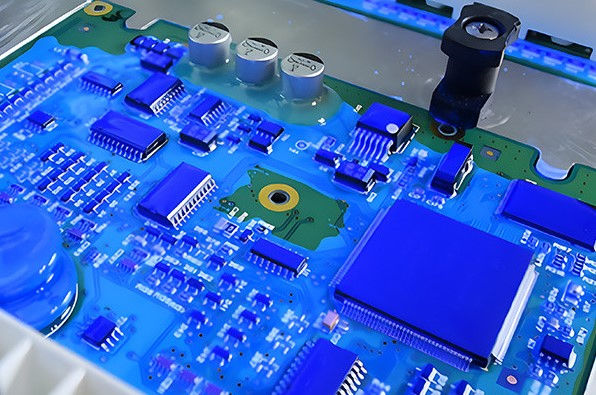
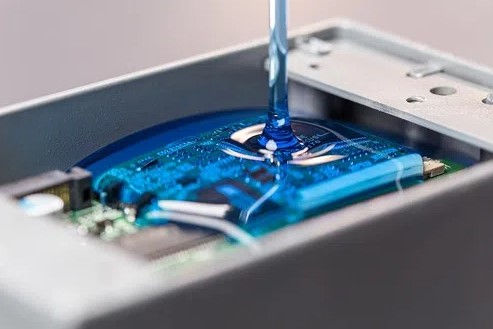
PCB potting compounds are insulating materials used to encapsulate the components on a PCB, forming a protective layer that shields against external threats. Common materials used for potting include epoxy, polyurethane, and silicone.
Each type of compound has unique properties tailored to different applications, ensuring optimal protection based on the specific needs of the electronic device.
Primary Benefits of Potting Compounds
Moisture Resistance: One of the most critical functions of potting compounds is to protect PCBs from moisture. Water and humidity can cause corrosion and short circuits, leading to device failure. By creating an impermeable barrier, potting compounds ensure that sensitive electronic components remain dry and operational even in damp environments.
Thermal Management: Electronic devices generate heat during operation, which can negatively impact performance and lifespan. Potting compounds with thermal conductivity help dissipate heat away from critical components, preventing overheating and maintaining stable operating temperatures. This is particularly important in high-power applications.
Mechanical Protection: Potting compounds provide excellent mechanical support, protecting PCBs from vibrations, shocks, and physical impacts. This mechanical stability is essential in industries such as automotive, aerospace, and industrial machinery, where devices are frequently exposed to harsh conditions.
Chemical Protection: In many industrial environments, electronic devices are exposed to chemicals and corrosive substances. Potting compounds act as a protective shield against these harsh agents, preserving the integrity and functionality of the PCB.
Applications of PCB Potting Compounds
The use of potting compounds spans numerous industries and applications. In the automotive industry, they protect electronic control units, sensors, and other critical components from the harsh conditions under the hood, including heat, vibration, and chemical exposure.
In aerospace, potting compounds ensure the reliability of navigation and communication systems by providing resistance to extreme temperatures and mechanical stress.
Consumer electronics, such as smartphones, wearable devices, and other portable gadgets, also benefit from potting compounds, which enhance durability and water resistance.
Read more: https://www.pottingcompound.com
Comments